Broadwater Farm garden maintenance checklist for tenants
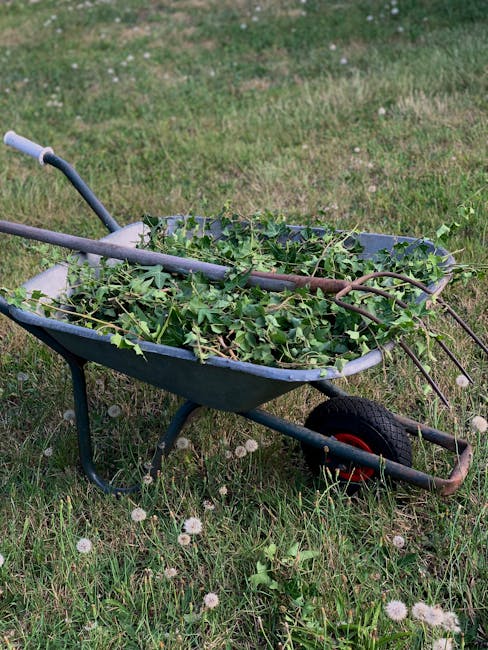
If you are renting at Broadwater Farm, keeping on top of the garden can feel deceptively simple at first. A bit of mowing here, a quick sweep there, and then suddenly the borders are overgrown, the path is slippery, and the whole space looks like it has been ignored for a month. This Broadwater Farm garden maintenance checklist for tenants is designed to stop that from happening. It gives you a clear, practical routine for staying tidy, avoiding disputes, and making the garden feel like part of your home rather than a chore hanging over you.
Truth be told, most tenants do not need perfection. They need a fair, repeatable system. That is exactly what this guide gives you: what to check, how often to do it, where problems usually start, and when it makes sense to get extra help. We will also cover useful tools, common mistakes, and the kind of maintenance expectations that tend to matter most in everyday UK rental living.
One small note before we begin: if your garden is already a little out of hand, that is normal. A tidy-up is still a tidy-up.
Why Broadwater Farm garden maintenance checklist for tenants Matters
A shared or private garden is one of those spaces that quietly affects day-to-day living. It changes how a property feels, how safe it is to walk through, and how easy it is to enjoy. For tenants, a clear garden maintenance checklist matters because it turns a vague responsibility into something you can actually manage.
In a busy household, gardens tend to drift. A windy week drops branches and leaves everywhere. Rain leaves the patio slick. Summer turns grass into a fast-growing job that nobody has time for after work. Without a checklist, those little jobs stack up. With one, you can stay ahead of them in short bursts instead of facing a full weekend rescue mission.
There is also the relationship side of it. Good maintenance helps avoid friction with landlords, managing agents, or neighbours. If a garden is expected to be kept tidy, regular care is usually far easier than last-minute repairs. And if you are preparing to move out, a well-kept garden can help the handover feel calmer and more straightforward.
Expert summary: The most effective tenant garden routine is not about making the space look magazine-perfect. It is about preventing avoidable issues, keeping surfaces safe, and maintaining a tidy, usable outdoor area all year round.
If your garden includes larger maintenance issues, such as awkward hedges, overgrown trees, or a tired lawn that needs more than a quick trim, it may be worth looking at professional support through garden maintenance or more specific help like lawn care and hedge trimming.
How Broadwater Farm garden maintenance checklist for tenants Works
The checklist works best when you break the garden into zones rather than trying to "do the garden" in one overwhelming go. Think lawn, paths, borders, hedges, waste, containers, fences, and any furniture or fixtures. Each area has its own rhythm and its own problems.
A simple routine usually looks like this:
- Weekly: clear litter, check paths, water what needs it, and spot obvious weed growth.
- Fortnightly: mow grass if needed, edge borders, trim soft growth, and remove dead leaves.
- Monthly: check for drainage issues, moss, fence damage, broken pots, or pest hotspots.
- Seasonally: deep clean the patio, refresh soil, cut back plants, and prepare for colder or wetter weather.
That sounds orderly, but real life is rarely so neat. A family with children will treat the garden differently from a single tenant with a small patio. A shaded, damp space will need more moss and weed control. A sunny, exposed garden may need more watering and weather protection. So the checklist should adapt to your space, not the other way around.
It also helps to think in terms of visible standards. If someone walked past the property, what would they notice first? Untidy edges, black bin bags, a cracked paving slab, ivy swallowing the fence? Those are the issues most worth staying ahead of.
Key Benefits and Practical Advantages
A good garden checklist is useful for far more than appearances. To be fair, the visual improvement is the easy part. The deeper benefits are about safety, time, and peace of mind.
- Less stress: Smaller tasks done regularly are easier than one huge tidy-up after things have got away from you.
- Better safety: A clear path, trimmed growth, and solid fencing reduce everyday hazards.
- Improved outdoor use: You can actually sit out, dry clothes, or let children play without battling clutter.
- Lower repair risk: Early attention to moss, blockages, or broken fittings can stop bigger damage later.
- Smoother inspections: A garden that is obviously cared for tends to make a much better impression.
There is a softer benefit too. A well-kept garden changes how you feel about a place. Even a small one. You notice it when you open the window and do not see a tangle of weeds. You notice it when the paving is dry and clear instead of muddy and leaf-strewn. It makes the home feel more settled.
If you want to make the space pleasant without spending much, the ideas in elevate your garden with low-cost, low-effort ideas are a useful companion read.
Who This Is For and When It Makes Sense
This checklist is for tenants who want a reliable way to look after an outdoor space without turning it into a second job. It is especially useful if:
- you rent a flat, maisonette, or house with a small private garden
- you share the garden with family members or housemates
- you are unsure what level of upkeep is expected
- you are preparing for an inspection or end-of-tenancy handover
- you have inherited a garden that was already a bit neglected
It also makes sense if you have limited time. Many tenants do not have the luxury of entire Saturdays spent outside with a rake and a stubborn expression. They need short, realistic tasks that can be spread across the week. That is where a checklist really earns its keep.
For people with more specific garden challenges, the same routine can be tailored. A shaded plot might need more help with climbing plants and weed suppression, which is where a guide like shady spots reimagined with evergreen climbers can give useful ideas. If the space is prone to blowing about, managing winds in your garden is worth a look too.
Step-by-Step Guidance
Here is a straightforward way to work through the garden without missing the bits that matter most.
1. Start with a quick visual sweep
Walk the whole garden first. Do not pick anything up yet. Just look. You are scanning for obvious issues: litter, broken items, overflowing bins, dead plants, uneven surfaces, and anything that looks unsafe or messy. This first pass tells you where to begin.
2. Clear surfaces and pathways
Paths, patios, and steps should be clean enough to walk on comfortably. Remove leaves, soil, algae, and loose debris. A slippery surface is one of the quickest ways a neat garden becomes a nuisance. If the patio has become stained or mossy, professional patio cleaning can be a sensible option when sweeping alone is not enough.
3. Deal with weeds before they spread
Weeds are easier to tackle early. Pull them before they seed, and get the roots out where possible. This is especially important around paving edges, fence lines, and container plants. A few stubborn weeds today can become a proper patch by next month. There is a helpful breakdown in keep weeds at bay with 3 tips for control.
4. Check the lawn, if you have one
A tenant lawn does not need to be golf-course neat, but it does need regular attention. Keep mowing consistent, avoid cutting too short, and lift clippings if they are thick. Uneven grass can make a small garden look much more chaotic than it is. If the lawn has bare patches or compacted soil, practical lawn care may be more useful than just mowing on autopilot.
5. Trim hedges, climbers, and overgrowth
Keep shrubs, climbers, and hedges within their space. They should not block paths, spill into neighbours' areas, or obscure windows and light. If the growth is thick, take it in stages. A small, careful cut is better than a heavy hack that leaves the plant looking damaged. For denser boundary growth, hedge trimming is often the most efficient route.
6. Empty waste and tidy storage areas
Old plant pots, broken canes, half-used compost bags, and forgotten garden toys create visual mess fast. Gather them, sort them, and decide what stays. The goal is not sterile emptiness. It is simply to stop the garden becoming a storage cupboard with muddy shoes.
7. Inspect fences, gates, decking, and edges
Fence panels, gate latches, decking boards, and edging strips wear down gradually, so it is easy to miss the early signs. Check for loose nails, rot, wobble, or splintering. Small defects are often much cheaper to manage early. If you need a bigger fix, specialist help such as fencing or decking services may be relevant.
8. Refresh planting areas and soil
Replace dead annuals, cut back tired growth, and top up depleted soil with compost where needed. Healthy soil makes the whole garden easier to maintain. If you compost at home, you can often improve tired beds by reusing organic material properly. For a deeper explanation, see the art of reviving soil from organic waste.
9. Finish with a final tidy
Step back and look again. This final pass is where you catch the small things: a plant saucer left out, a twig on the path, a forgotten trowel, a patch of mud on a threshold. It only takes a minute, but it makes the whole job feel finished.
Expert Tips for Better Results
After years of garden work, one thing becomes obvious: maintenance goes smoother when you stop fighting the garden and start reading it. A damp corner will always need different treatment from a sunny fence line. A cramped courtyard needs different priorities from a long back garden. Simple, but easy to overlook.
- Use a "little and often" approach. Ten minutes twice a week usually beats two exhausting hours once a month.
- Cut hedges before they get leggy. Soft new growth is far easier to shape than old, woody overgrowth.
- Keep a basic kit by the back door. If you have to hunt for gloves every time, you probably will not bother.
- Mulch bare soil where possible. It helps retain moisture and slows weed regrowth.
- Match the plants to the site. A suitable plant is easier to maintain than a fussy one, no matter how nice the label looked.
If your garden needs more structure or a gentler layout, the ideas in thoughtful zen garden layouts can be surprisingly practical, not just decorative. And for tenants with children, the safety-first angle in child-friendly landscapes is especially useful.
One other tip: keep photos of the garden after each proper tidy-up. It is a small thing, but it helps if you ever need a record of the condition you maintained. Handy, and oddly satisfying too.
Common Mistakes to Avoid
Most garden problems for tenants are not caused by one dramatic failure. They build slowly from a series of small misses. The good news is that they are easy to spot once you know what to watch for.
- Leaving weeds until they flower: by then, you have already missed the simple stage.
- Overcutting lawns: too short weakens grass and makes it patchy in dry weather.
- Ignoring drainage: standing water, blocked gullies, or sunken paving can become bigger issues.
- Letting hedge lines drift: this can quickly make a tidy garden look unmanaged.
- Using the wrong tools: dull cutters and blunt shears make the job harder and less neat.
- Forgetting shared boundaries: overhanging growth can create avoidable tension with neighbours.
A lot of tenants also make the mistake of treating the garden as a "spring clean only" space. That never quite works. Gardens grow. That is their thing. They do not wait for your free weekend. A steadier approach is much more realistic.
If the space has become difficult to reset, a broader garden revival guide can help you think through the first wave of recovery without trying to solve everything at once.
Tools, Resources and Recommendations
You do not need a van full of equipment to maintain a tenant garden properly. A small, well-chosen kit is usually enough. In fact, too much equipment just ends up in the shed with the old paint tins and broken plant saucers.
| Tool or resource | Best for | Why it helps |
|---|---|---|
| Gloves | General clearing, weed pulling, pruning | Protects hands and makes rough work easier |
| Hand fork and trowel | Beds, containers, small planting jobs | Useful for precision work around roots |
| Shears or secateurs | Light hedge work and trimming | Cleaner cuts and better control than guessing with kitchen scissors, which, let's be honest, some people do |
| Rake or stiff broom | Leaves, debris, patio tidying | Quick way to keep surfaces safe and neat |
| Hose or watering can | Dry spells, new plants, containers | Helps prevent stress on plants during hot weather |
| Compost or soil improver | Beds and tired planting areas | Improves structure and supports healthier growth |
If your maintenance routine keeps stalling because the work is physically awkward, too time-consuming, or just bigger than it first looked, then using a local gardening team can save a lot of hassle. A service page like gardening services is the sort of place people often turn to when the checklist turns into a backlog.
For seasonal preparation, especially before wet or cold weather sets in, winterising your garden is a smart read. And if you are trying to make a small space work harder, container gardening can be a practical solution.
Law, Compliance, Standards, or Best Practice
For tenants, the main thing is usually not a complicated legal rule but the everyday expectation that the garden is kept reasonably tidy and safe. That expectation may be set out in your tenancy agreement, and it is worth checking carefully rather than assuming. Garden duties can vary quite a lot depending on the property, the size of the space, and whether the garden is private or shared.
Best practice in the UK is simple enough:
- keep paths and access routes clear
- avoid allowing weeds or overgrowth to create hazards
- report structural defects, leaks, fence failures, or serious drainage problems promptly
- do not carry out unsafe work at height or use tools you are not comfortable with
- keep a record of reported issues if the problem is beyond normal tenant upkeep
If a task seems unsafe, awkward, or potentially damaging, it is sensible to stop and get advice. That is especially true with ladders, large hedges, heavy tree limbs, and unstable surfaces. A practical safety approach matters more than bravado. Nobody wins a medal for balancing on a wobbly chair with a pair of shears.
For reassurance around working practices, the site's own health and safety policy, insurance and safety, and terms and conditions pages are useful reference points if you are considering professional support. If you are comparing options, pricing and quotes can help you plan sensibly before making a decision.
Options, Methods, or Comparison Table
Different gardens need different maintenance styles. Here is a simple comparison to help you choose the right approach for your situation.
| Approach | Best for | Pros | Limitations |
|---|---|---|---|
| DIY weekly upkeep | Small to medium gardens with light growth | Low cost, flexible, keeps problems small | Needs consistency and a little discipline |
| Monthly deeper tidy | Tenants with limited time but manageable space | Good balance between effort and control | Can slip behind if the garden grows quickly |
| Seasonal reset plus light maintenance | Low-use gardens or compact patios | Simple to plan, good for minimal outdoor use | Not enough for fast-growing lawns or hedges |
| Professional support | Overgrown, awkward, or physically demanding spaces | Efficient, tidier finish, less stress | Costs more than doing it yourself |
In many cases, the best answer is a mix. Do the easy weekly tasks yourself, then bring in help for the heavier work. That tends to be the sweet spot for tenants who want a neat result without burning out.
For example, a short garden with heavy hedge growth might be fine for day-to-day upkeep, but still benefit from hedge trimming a few times a year. A tired or uneven lawn may need recurring lawn mowing alongside broader care. Simple enough, really.
Case Study or Real-World Example
Picture a tenant with a small rear garden at Broadwater Farm. The space has a narrow lawn, one patio area, a fence line with climbing growth, and a few containers near the back wall. On paper it sounds manageable. In practice, it had become one of those gardens where you open the door, stare for a second, and quietly close it again.
The reset started with the easiest wins. Leaves were cleared from the patio first, then the weeds around the paving were pulled. The lawn was cut to a sensible length, not scalped. The climbers were reduced enough to keep the fence line open, and broken pots were removed rather than hidden in a corner "for later".
After that, the change was immediate. The garden looked bigger. The patio was usable again. Nothing dramatic happened, and that was the point. It did not need a redesign. It needed order. Once the basic maintenance was under control, the tenant could start thinking about small improvements, like low-cost seating or a few better-suited container plants.
That kind of recovery is common. Usually, the first pass is the hardest. After that, maintenance becomes much less intimidating.
If your own space feels somewhere between tidy and tangled, a gentle starter reference like from overlooked to blooming can be a useful confidence boost.
Practical Checklist
Use this as your tenant garden maintenance checklist and tick it off regularly. It is intentionally simple, because simple tends to get done.
- Walk the garden and spot anything unsafe, broken, or overgrown
- Pick up litter, leaves, and loose debris
- Sweep paths, steps, and patio surfaces
- Remove weeds from borders, paving edges, and containers
- Mow the lawn if it needs it, and keep edges neat
- Trim hedges and light growth before it becomes unruly
- Check fences, gates, and panels for damage or looseness
- Clear blocked drainage points or report them if needed
- Water plants during dry periods, especially containers
- Cut back dead or damaged planting material
- Remove broken pots, old compost bags, and unwanted garden clutter
- Inspect any decking or hard surfaces for moss, rot, or slippery build-up
- Note any issues that need landlord or professional attention
Quick rule of thumb: if a task takes less than ten minutes, do it now. If it is bigger, set a time for it. That one habit can save a lot of stress later.
Get a free quote today and see how much you can save.
Conclusion
A well-run garden does not happen by accident. It happens because someone keeps an eye on the small things before they become the big things. For tenants at Broadwater Farm, that means regular sweeping, sensible mowing, timely trimming, a bit of weed control, and enough seasonal care to stop the space sliding backwards.
Used properly, this checklist is less about perfection and more about control. You stay ahead of overgrowth, keep the garden safe, and avoid the awkward scramble that so often comes with inspections or move-outs. And once the basics are under control, the garden stops feeling like a problem. It becomes a place you can actually enjoy.
If you only remember one thing, make it this: small, steady maintenance is kinder than big rescue jobs. That applies to gardens, and honestly, to most things in life.
Frequently Asked Questions
What should tenants maintain in a Broadwater Farm garden?
Usually the practical day-to-day tasks: clearing litter, mowing lawns, weeding, trimming manageable growth, sweeping paths, and keeping the space tidy and safe. Always check your tenancy agreement for the exact expectation.
How often should a tenant garden be maintained?
Weekly light upkeep is a good baseline, with more thorough work every fortnight or month depending on how quickly the garden grows. Fast-growing lawns and hedges need more frequent attention.
Do tenants have to cut hedges themselves?
Often yes, if the hedge is within normal reach and the agreement places routine garden care on the tenant. If the hedge is large, tall, or unsafe to access, professional help may be more appropriate.
What if the garden was already overgrown when I moved in?
Take photos, note the condition, and report it if needed. Do the practical tidying you can manage, but avoid taking responsibility for pre-existing major issues without checking first.
Can I get help with difficult garden maintenance tasks?
Yes. If the garden includes awkward hedges, tired lawns, patio build-up, or fencing problems, outside help can be a sensible choice. It often saves time and gives a cleaner finish.
Is garden maintenance included in my rent?
Not always. Some tenancies include certain maintenance responsibilities, while others place routine garden upkeep on the tenant. The tenancy agreement is the best place to check.
What tools do I need for basic tenant garden care?
Start with gloves, a broom or rake, hand tools, secateurs or shears, and a watering can or hose. That is usually enough for everyday maintenance in a typical rental garden.
What happens if I ignore the garden for a long time?
Growth gets harder to control, weeds spread, surfaces become slippery, and the space can start to look neglected. It can also create more work and possible issues at inspection or when moving out.
How do I keep a small garden tidy without spending all weekend on it?
Use short sessions. Ten to fifteen minutes twice a week can make a big difference. Focus on the visible areas first: paths, lawn edges, weeds, and clutter.
Should I report broken fences or drainage issues?
Yes, especially if the problem is structural or beyond normal tenant maintenance. It is sensible to report it promptly and keep a note of what you raised.
What is the easiest way to make a neglected garden look better fast?
Clear debris, sweep hard surfaces, remove weeds, trim obvious overgrowth, and mow or edge the lawn if needed. Those quick wins make the biggest visible difference in the shortest time.
How can I prepare my tenant garden for winter?
Remove dead growth, clear leaves, secure loose items, check for drainage problems, and protect plants or pots that are likely to suffer in cold winds. A seasonal prep routine helps prevent messy spring recovery.
If you are unsure where to start, begin with the visible mess first. That usually gives you momentum, and momentum matters more than people admit. From there, the rest gets easier, one small job at a time.