 020 3744 3778
Integrate Nature with Thoughtful Zen Garden Layouts
Posted on 19/06/2025
Nature has a profound ability to soothe the human soul and clear the mind. Among the many ways to bring harmony into our living spaces, nothing rivals the serene experience provided by a beautifully designed Zen garden. Integrating nature with thoughtful Zen garden layouts goes beyond simple landscaping; it's an intentional fusion of natural elements and mindful design that fosters tranquility, balance, and contemplation.
What is a Zen Garden?
A Zen garden, also known as a kare-sansui or Japanese rock garden, is a minimalist landscape that articulates the essence of nature using rocks, sand, gravel, moss, water elements, and carefully positioned plants. It's a centuries-old tradition that originated in Japan, developed for enhancing meditation, contemplation, and a deep sense of peace.
The Philosophy Behind Zen Garden Design
Zen garden layouts are inspired by Zen Buddhist principles. They focus on simplicity (kanso), asymmetry (fukinsei), and naturalness (shizen). The aim is not merely the arrangement of rocks and plants but crafting a symbolic landscape that captures the spirit of the natural world.
- Simplicity (Kanso): Stripping down to the essentials and eliminating clutter.
- Asymmetry (Fukinsei): Valuing irregularity and imperfection.
- Naturalness (Shizen): Allowing natural forms and processes to guide design.

Benefits of Integrating Nature with Zen Garden Layouts
Thoughtful Zen garden layouts offer various advantages to homeowners, office spaces, and public environments:
- Enhances relaxation and reduces stress
- Supports meditation and mindfulness practices
- Increases aesthetic appeal of any space
- Promotes biodiversity with native plants
- Encourages a sustainable and low-maintenance landscape
Key Elements of a Thoughtful Zen Garden Layout
Integrating nature seamlessly into your Zen garden requires a deep understanding of its foundational elements. Here's an overview of each component and how to arrange them thoughtfully:
1. Rocks and Stones: The Backbone of Zen Landscapes
In traditional kare-sansui gardens, rocks symbolize mountains or islands. Thoughtfully selecting and arranging them creates a sense of permanence and structure.
- Choose rocks with natural shapes and textures.
- Group stones in odd numbers for a more organic look.
- Anchor key points in the garden with larger stones.
- Partially bury rocks to evoke a sense of age and stability.
2. Sand and Gravel: The Canvas of Zen
Sand or gravel is often raked into flowing patterns to represent water ripples or waves. This element embodies movement and impermanence.
- Select fine gravel or sand for easy raking and pattern creation.
- Maintain consistent rake lines for a soothing appearance.
- Allow for occasional disturbance, reflecting life's transience.
3. Water Features: Embodying Tranquility
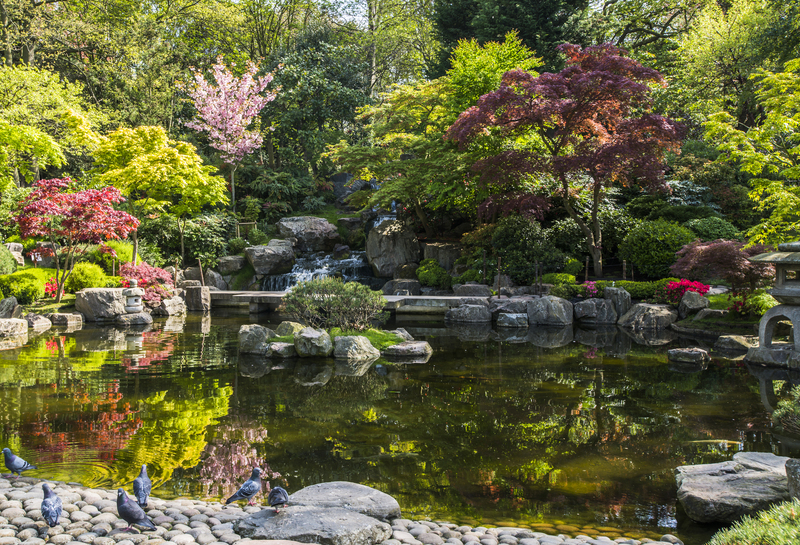
While not present in every Zen garden, water brings a calming audio and visual effect. You can use a small koi pond, bubbling fountain, or even represent water symbolically with sand and pebbles.
- Integrate nature with flowing water to foster a peaceful atmosphere.
- Use natural stones and aquatic plants for authenticity.
- Symbolize water with gravel if physical water sources are impractical.
4. Plants and Moss: Lush Accents in Minimalist Gardens
Although traditionally sparing, carefully chosen plantings can elegantly blend the garden with its surroundings. Moss, low-lying shrubs, and bamboo are classic choices.
- Choose plants that complement the garden's theme and local climate.
- Embrace native flora for easier upkeep and environmental harmony.
- Layer vegetation to add depth and perspective.
- Trim regularly to maintain clean lines and subtlety.
5. Pathways and Bridges: Encouraging Mindful Movement
Pathways guide visitors on a contemplative journey through the garden. Use stepping stones or a modest wooden bridge to cross a symbolic stream, inviting slow, mindful walks.
- Position paths to highlight focal points and encourage exploration.
- Opt for natural materials like stone, wood, or gravel.
- Curved paths evoke a sense of wonder and anticipation.
How to Design Your Own Zen Garden Layout
Designing a nature-infused Zen garden requires thoughtfulness, patience, and attention to detail. Here are actionable steps for integrating nature with your Zen garden design:
Step 1: Define Your Space and Purpose
- Assess the available area - Zen gardens can be as small as a tabletop or as expansive as a courtyard.
- Decide on your primary goals: Meditation, relaxation, visual beauty, or a blend?
- Consider the sun's movement and site conditions like shade, moisture, and terrain.
Step 2: Choose a Style or Theme
- Traditional Zen gardens: Minimalist with few plants, emphasizing rocks, sand, and raked patterns.
- Contemporary Zen gardens: Incorporate modern materials, creative lighting, or local adaptations.
- Adapt the Japanese Zen garden principles to your local landscape for a unique fusion.
Step 3: Prepare the Groundwork
- Clear and level the area, removing weeds and debris.
- Lay a weed barrier beneath gravel or sand areas to minimize maintenance.
- Install edging to separate different materials and create defined garden zones.
Step 4: Arrange Key Elements Thoughtfully
This is where you carefully compose the layout:
- Position large rocks first, anchoring visual interest and guiding the garden's flow.
- Fill in the spaces with smaller stones, gravel, and sand.
- Arrange plants for soft contrast, layering heights and textures.
- Add water features and bridges if space allows.
- Install pathways that meander organically through the garden.
Step 5: Add Personal Touches
- Integrate garden statues or sculptural elements sparingly.
- Add lanterns or subtle lighting for ambiance after dark.
- Incorporate natural seating for peaceful reflection.
Step 6: Maintain Your Zen Garden
- Rake sand and gravel patterns regularly.
- Weed and trim plants to retain clean lines.
- Refresh gravel, sand, and mulch as needed.
- Replace or rearrange stones to continuously refresh the space's energy.
Tips for Successfully Integrating Nature in Zen Garden Layouts
Ensuring your Zen garden layout feels harmonious and authentic depends on subtle design choices. Here are expert tips:
- Let nature guide you. Embrace natural curves and asymmetry.
- Use repetition in rock placement and plant groupings for unity.
- Layer textures, such as smooth gravel with rough stone or feathery moss with sturdy bamboo.
- Choose muted, earthy colors to evoke calmness.
- Observe local landscapes for inspiration and material sourcing.
- Respect the surrounding environment by avoiding invasive plants and promoting pollinator habitats.
The Connection Between Zen Garden Layouts & Modern Wellness
In today's fast-paced world, spaces that encourage mindfulness and stress reduction are more important than ever. Integrating nature with a thoughtful Zen garden design can:
- Reduce anxiety and promote mental clarity.
- Invite daily moments for meditation or quiet contemplation.
- Connect people with the outdoors, even in urban environments.
- Encourage eco-friendly landscaping practices.
Whether you live in a bustling city or a rural retreat, a Zen garden offers a sanctuary from the noise, restoring balance and instilling a sense of peace.
Inspiring Zen Garden Layout Ideas
To spark your creativity, here are some innovative approaches to integrating nature with your Zen garden layout:
- Mini Zen Garden: Craft a small tabletop version with sand, stones, and tiny succulents - perfect for apartments and desks.
- Courtyard Oasis: Convert an urban patio into a private retreat with bamboo screens, raked gravel, and a water bowl.
- Woodland Zen: Blend moss, ferns, and ground-covering plants beneath tree canopies for a forest-inspired sanctuary.
- Modern Minimalist: Use steel or clean-lined concrete with monochrome stones for a contemporary take on the classic Zen garden.
- Pathway Transformations: Line walkways with stepping stones set amid raked gravel, accented by renewable native grasses.
Eco-Friendly Practices for Sustainable Zen Gardens
An integral part of integrating nature with Zen garden layouts is an eco-friendly approach. Here's how to create a beautiful and environmentally responsible garden:
- Grow native, drought-resistant plants to reduce irrigation needs.
- Use reclaimed or locally sourced stones and wood.
- Minimize the use of fertilizers and pesticides.
- Encourage composting and natural mulching.
- Harvest rainwater for your garden's needs.
Common Mistakes to Avoid in Zen Garden Design
- Overcrowding with too many features or contrasting elements.
- Ignoring scale - select appropriately sized rocks and plants for your space.
- Choosing non-native plants that require excessive maintenance.
- Disregarding the movement of the sun and its impact on plant health.
- Neglecting the philosophy of simplicity and restraint central to Zen design.
Conclusion: Discover Tranquility by Integrating Nature with Thoughtful Zen Garden Layouts
Bringing nature into your home or outdoor space through a thoughtfully designed Zen garden is a rewarding endeavor, one that enhances your well-being and your immediate environment. By blending the principles of Zen garden layout, honoring the interplay of rocks, sand, water, and plants, and embracing sustainable, mindful practices, you can create an oasis that invites relaxation, reflection, and lasting beauty.
Begin your journey today--explore how you can integrate nature with your Zen garden layout for a life filled with serenity, creativity, and harmonious living.
- Embrace simplicity and asymmetry in each design choice.
- Let the elements of nature lead the way towards tranquility.
- Continue to refine and care for your Zen garden for years of enjoyment.
Achieve a renewed sense of peace and purpose by bringing together nature and mindful design--your perfect Zen retreat awaits.
Latest Posts
Effective Strategies to Winterize Your Garden
How to Design Beautiful and Functional Garden Seating
The Art of Reviving Soil from Organic Waste